| Status: | Active, open to new members |
| Group leader: | |
| When: | Monthly on Monday mornings 10:00 am-12:00 pm (Usually 1st Monday of the month, 2nd if there's a bank holiday) |
| Venue: | Wells Museum |
Leader: Steve

Explore the Universe with Wells u3a
The Astronomy & Cosmology Group is for anyone interested in understanding the Universe — from our Solar System to stars and galaxies, black holes, the origins of the Universe and the latest developments in astrophysics. We are a discussion-based group. We follow developments in astronomy and space science, share interesting articles and discoveries, and explore topics that members want to understand better. You do not need to be an expert. Curiosity and an interest in finding out how the Universe works are the main requirements.
What we do
Our meetings vary according to members' interests and current developments in astronomy. They may include:
- discussion of recent astronomical discoveries
- exploration of topics in astronomy, astrophysics and cosmology
- member-led presentations and informal talks
- discussion of articles, images and other material from reliable sources
- educational videos and other resources
- opportunities to develop our understanding of difficult or unfamiliar subjects
- occasionally, guest speakers from outside the group.
Topics we might explore
- the Solar System and planetary science
- stars and stellar evolution
- galaxies and the large-scale structure of the Universe
- black holes and neutron stars
- cosmology and the origin and evolution of the Universe
- exoplanets and the search for life
- space missions and new astronomical discoveries
- the latest ideas and developments in astrophysics.
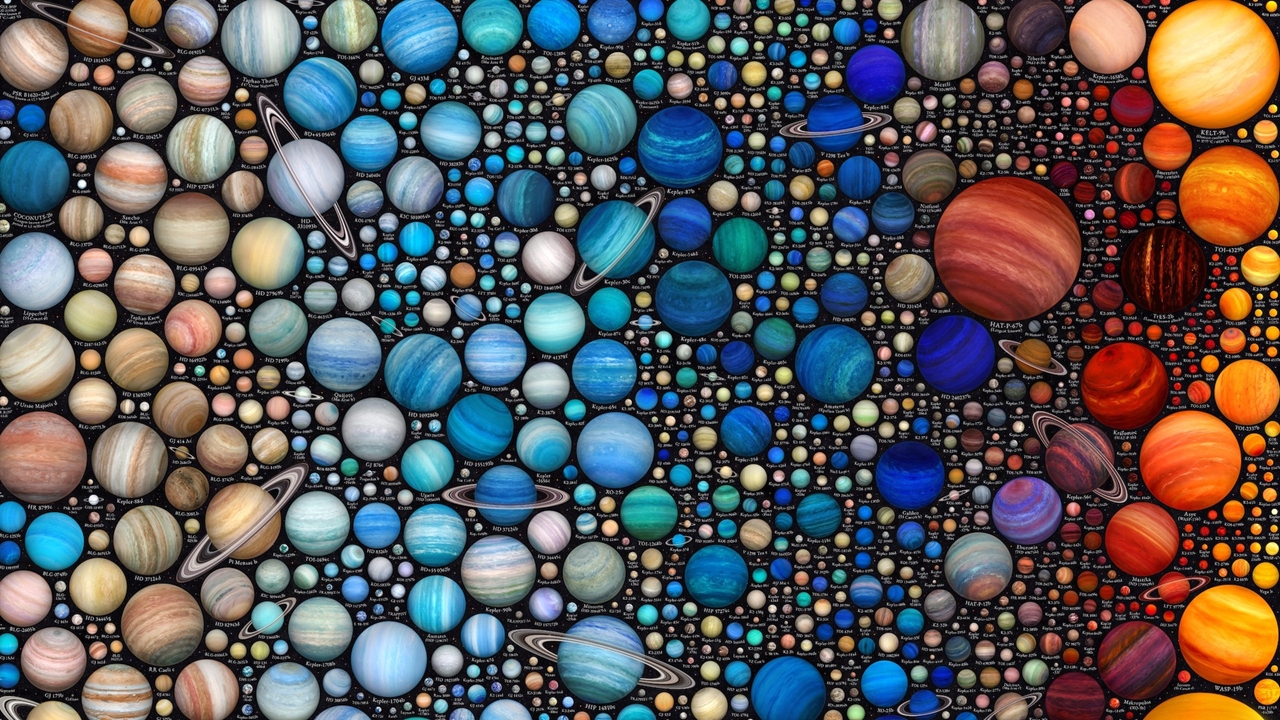
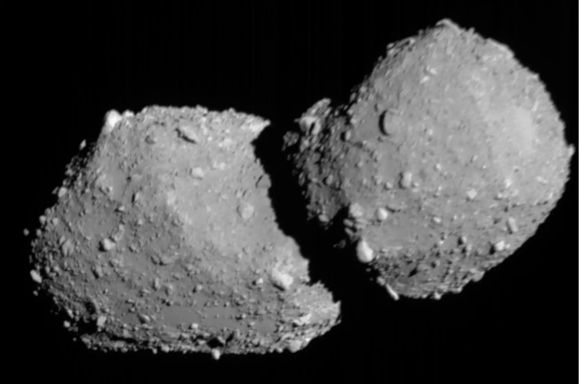
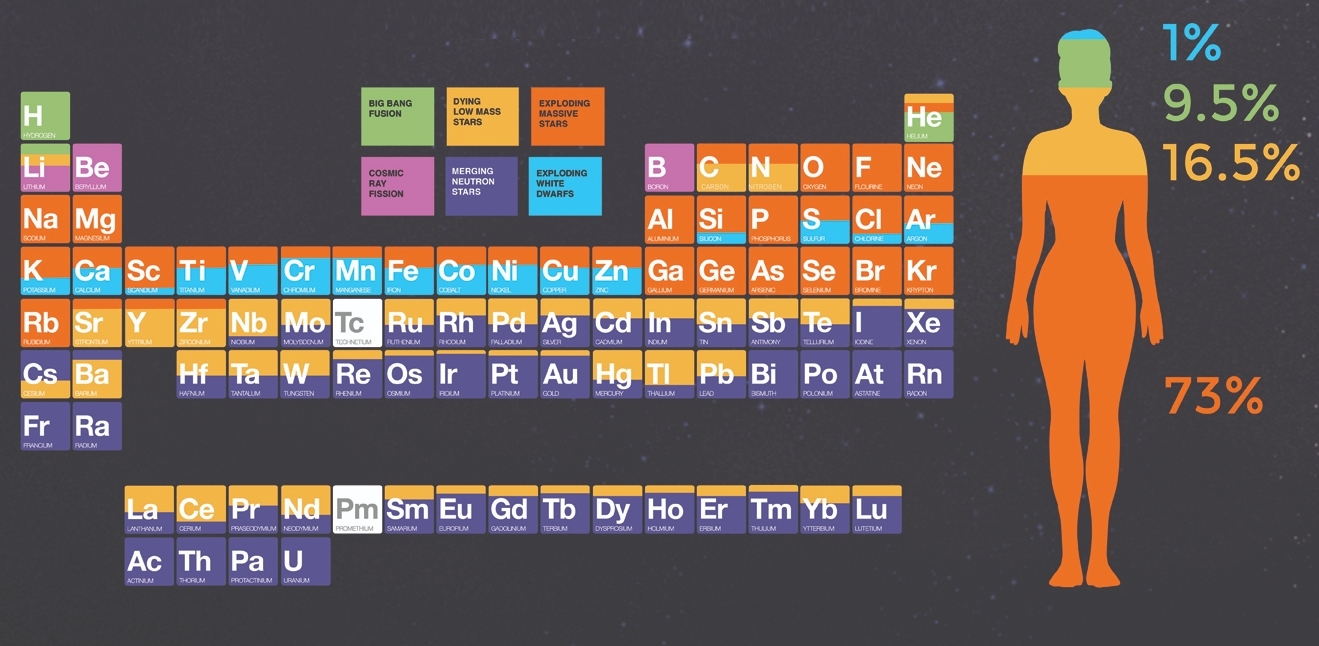
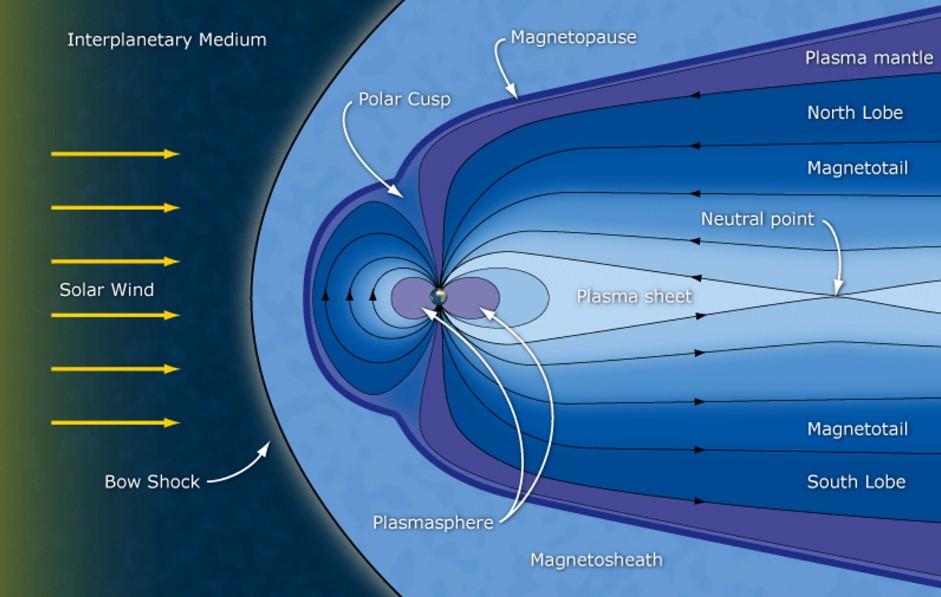
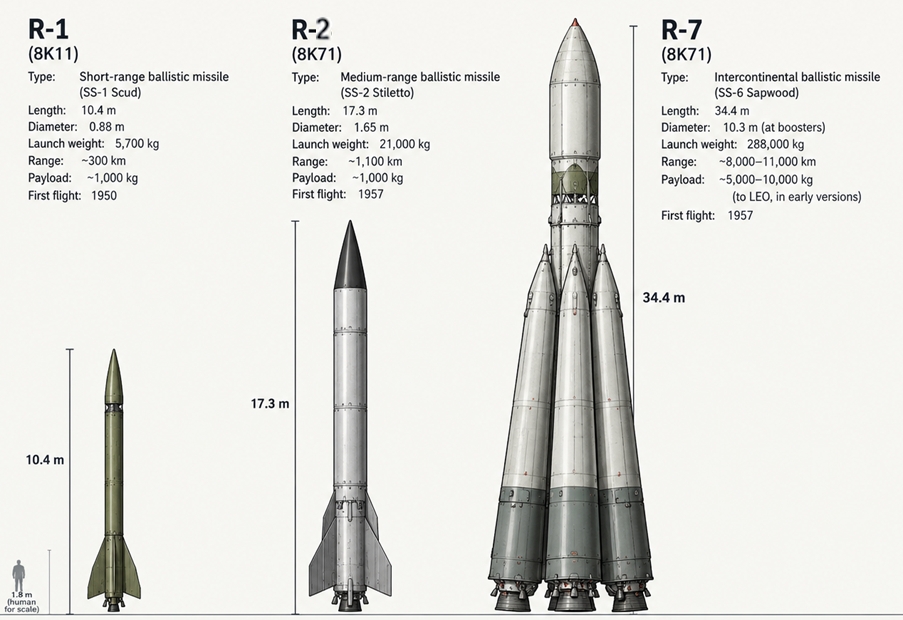
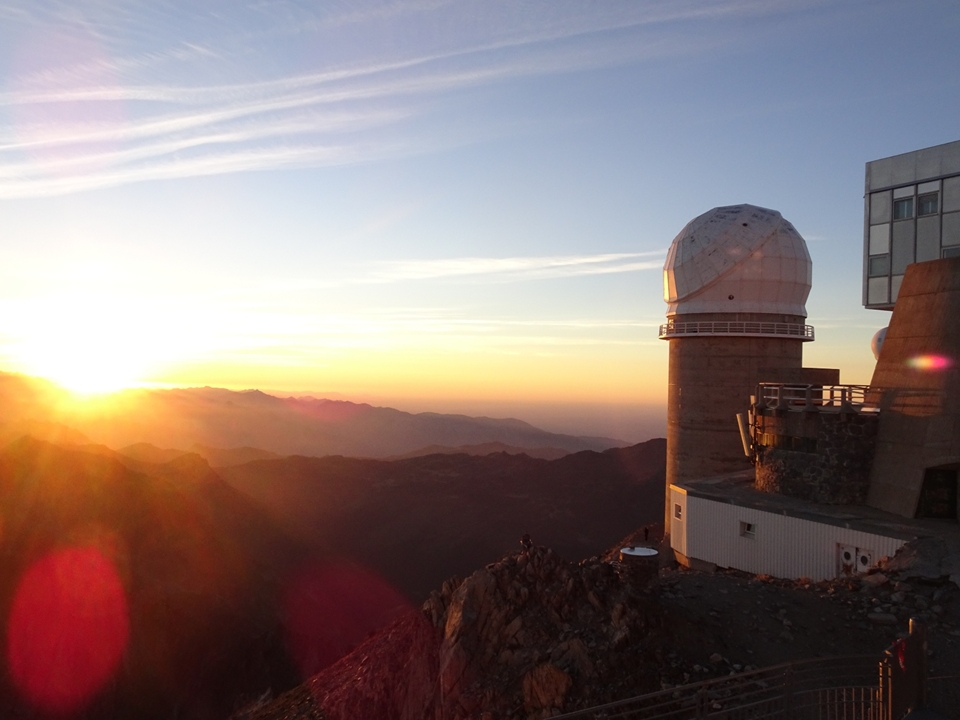
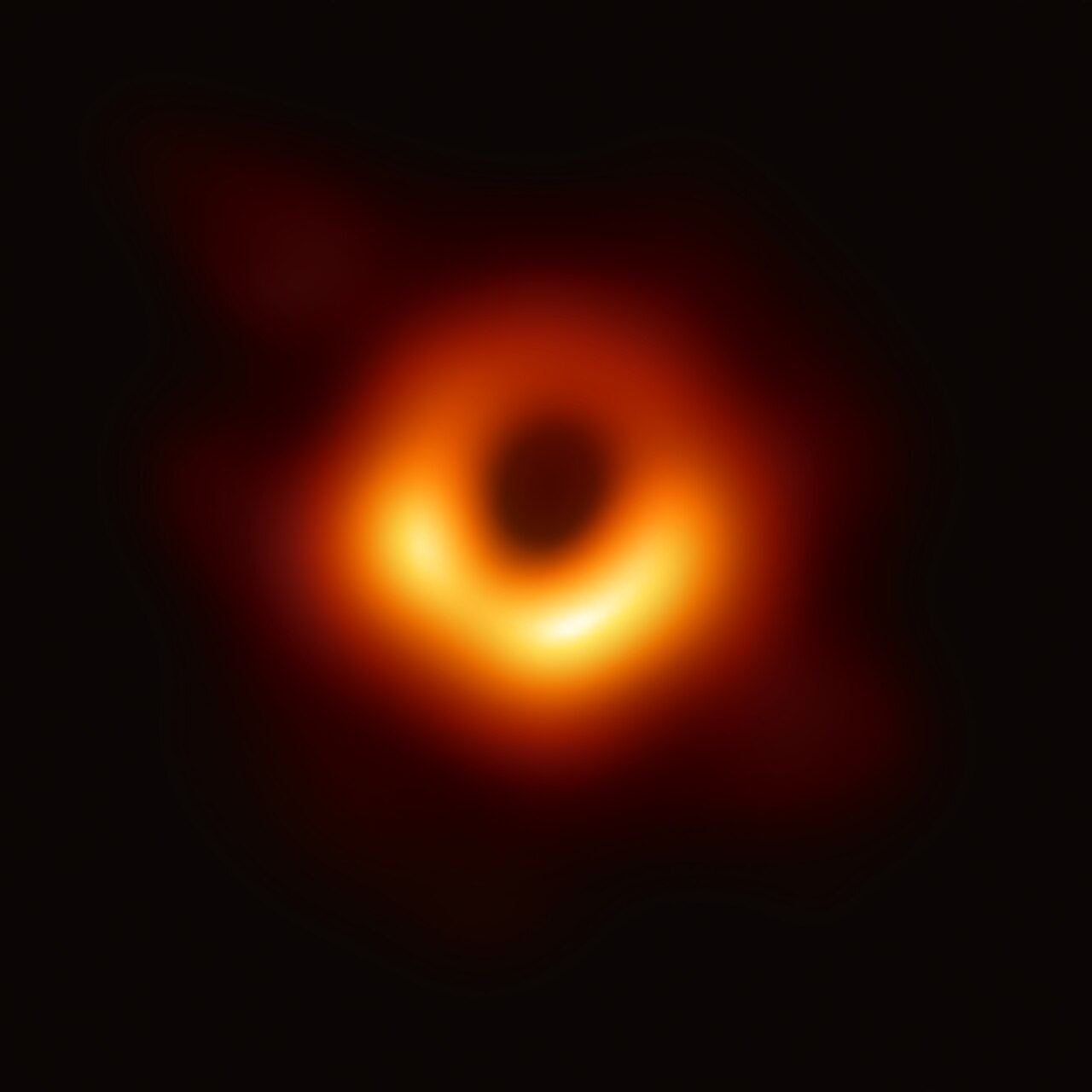
Topics from recent meetings
Click image to enlarge

Useful Links
General Astronomy & Observing
These platforms offer night sky guides, satellite tracking, and UK-specific society support.
- Royal Astronomical Society: The Royal Astronomical Society provides public outreach guides, telescope buying advice, and celestial event updates for UK observers.
- British Astronomical Association: The British Astronomical Association offers observing sections, comet and meteor alerts, and resources tailored for amateur astronomers.
- Heavens-Above: Use Heavens-Above to generate local pass predictions for the International Space Station, bright satellites, and planets.
- Stellarium Web: The Stellarium Web Planetarium is a free, browser-based star map ideal for planning evening observing sessions.
- Astronomy Picture of the Day: Operated by NASA, NASA APOD features a daily curated astronomical image with a brief explanation written by a professional astronomer.
Astrophysics & Cosmology
These open-access repositories and research portals give direct access to peer-reviewed papers, data archives, and deep-space research.
- arXiv Astrophysics: Hosted by Cornell University, arXiv.org provides free, open-access preprints of the latest research papers in cosmology, galactic astrophysics, and instrumentation.
- NASA Astrophysics Data System: The SAO/NASA ADS is a free digital library covering over a century of astronomy and astrophysics literature.
- SIMBAD Astronomical Database: Maintained by the Strasbourg Astronomical Data Centre, SIMBAD lets users look up technical data, coordinates, and bibliographies for deep-sky objects.
- Chandra X-ray Observatory: The Chandra X-ray Observatory offers educational guides and high-energy astrophysics visuals covering black holes, supernovae, and galaxy clusters.
Planetary Science
These resources focus on solar system exploration, planetary geology, and exoplanet discoveries.
- NASA Solar System Exploration: The NASA Solar System portal features interactive 3D planet viewers, moon profiles, and mission timelines.
- The Planetary Society: Co-founded by Carl Sagan, The Planetary Society publishes accessible articles, beginner guides, and updates on global planetary exploration.
- NASA Exoplanet Archive: The NASA Exoplanet Archive provides an interactive catalogue of confirmed planets orbiting other stars.
- Lunar and Planetary Institute: Operated by USRA, the Lunar and Planetary Institute hosts planetary atlases, impact crater databases, and educational materials.
Spacecraft & Space Missions
These sites track active missions, launch schedules, and live telemetry across the solar system.
- European Space Agency (ESA): The ESA Science & Exploration portal covers European space missions, launch updates, and space science programmes.
- NASA's Eyes: Accessible in any web browser, NASA's Eyes lets visitors track the live 3D positions of spacecraft, asteroids, and planets in real time.
- NASA Jet Propulsion Laboratory: The NASA JPL Missions page details active robotic spacecraft, Mars rovers, and outer-planet probes.
Astronomical Instruments & Observatories
These links cover major ground-based and space-based observatories, as well as practical tools for amateur imaging setups.
- James Webb Space Telescope: The NASA JWST Portal explains the observatory's infrared instruments, mirrors, and latest deep-field discoveries.
- European Southern Observatory: The ESO Public Portal showcases major ground-based optical and infrared telescopes, including the Very Large Telescope (VLT) and Extremely Large Telescope (ELT).
- NOIRLab: The NSF NOIRLab portal provides details on major ground-based optical-infrared observatories and instrumentation.
- Astronomy Tools: Designed for amateur astronomers, astronomy.tools provides free field-of-view calculators, eyepiece suitability tools, and target visibility planners.
- Astrometry.net: Amateur astrophotographers can upload star-field photos to Astrometry.net for automatic plate solving and object identification.
Nearby astronomical societies with links to their official web pages:
- Bath Astronomers Official Website – Information on their public stargazing sessions, telescope workshops, and Herschel Society ties.
- Wells & Mendip Astronomers Official Website – Details on upcoming meetings, outreach events, and local observing sessions.
- South Somerset Astronomical Society Official Website – Programme schedules for their Cheddon Fitzpaine meetings, sky notes, and updates on the Somerset Space Walk.
- Crewkerne And District Astronomical Society (CADAS) Official Website – Details on their monthly meetings in Norton-sub-Hamdon, membership info, and monthly sky blogs.